Theosis
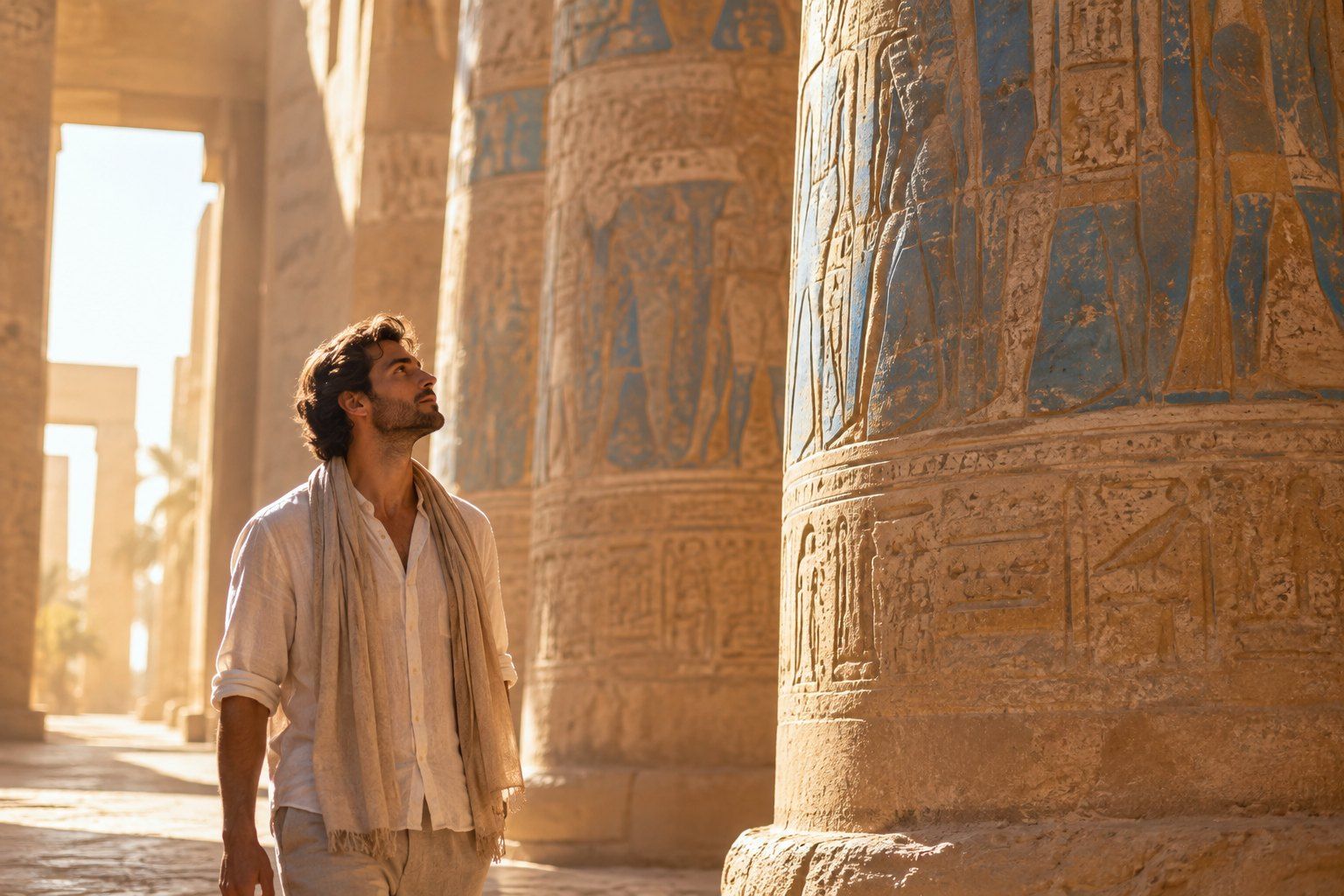
A man in white linen among the columns of the Temple of Karnak

Egypt

Temples & sacred sites along the Nile

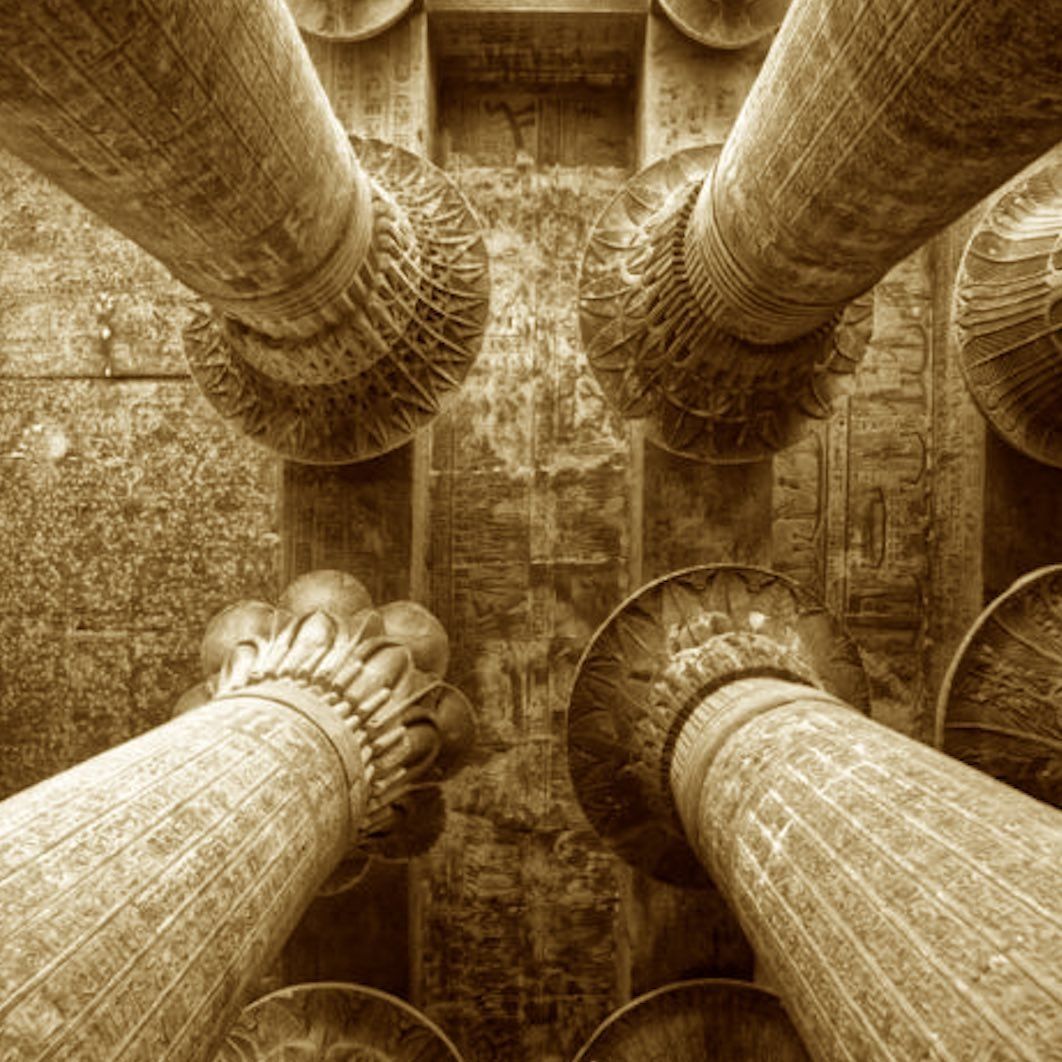
Columns of Karnak

The temples along the Nile were not built for visitors. They were built for meeting the divine.

Since antiquity, Egypt has been seen as a cradle of wisdom and of the healing arts. Its temples preserved and passed on knowledge of the cosmos, the body and the soul – in stone, in images and in ritual. On the Theosis seminar journey with Paul Skorpen, you meet these places not as sights to tick off, but as living spaces. Here we introduce the great sites along the Nile – from Abydos to Abu Simbel.

Upriver, from Abydos to Abu Simbel

The sites

I · Upper Egypt, north of Luxor

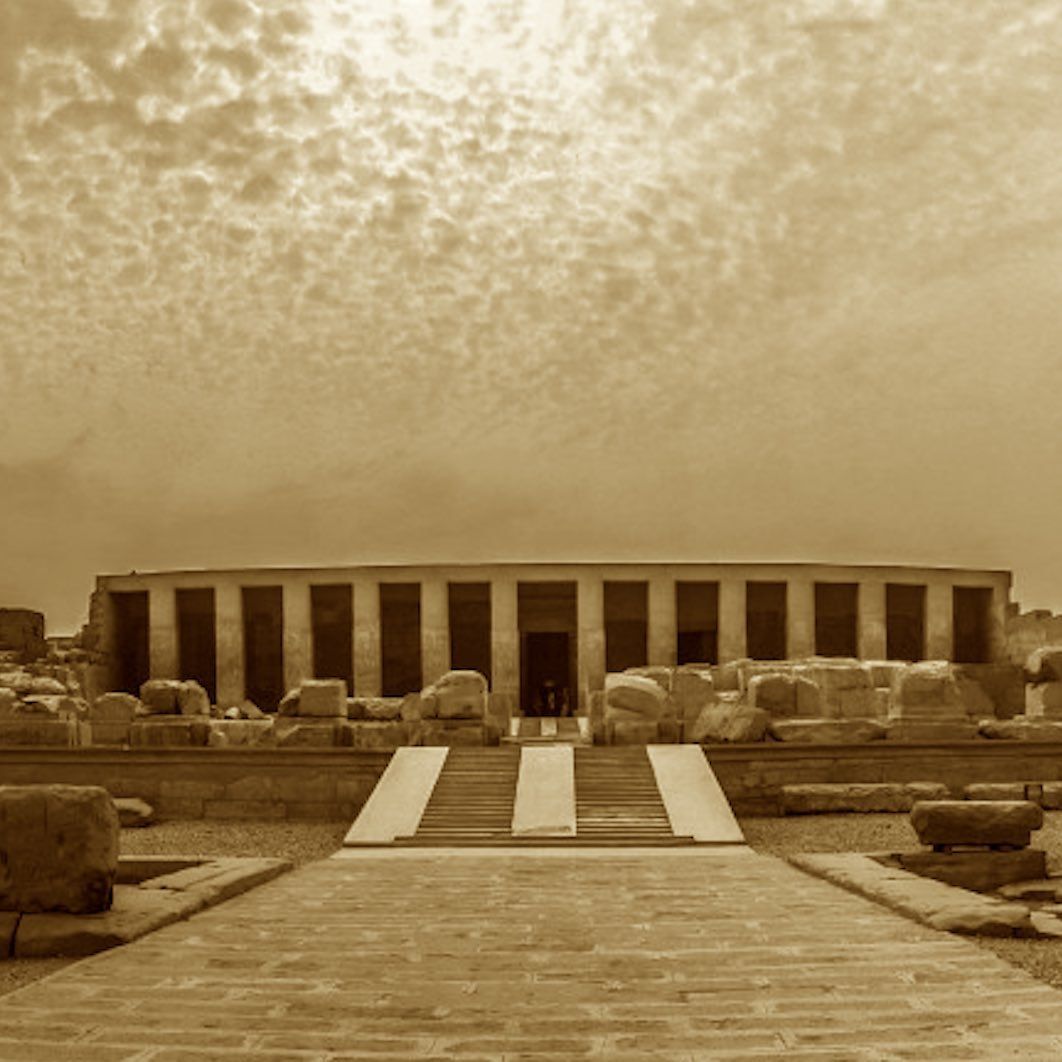
Abydos, temple site in Egypt, sepia photograph

Temple of Seti I

Abydos

The Temple of Seti I, also known as the Great Temple of Abydos, is the heart of this ancient sacred site. It was built by the pharaoh Seti I; behind it lies the mysterious Osireion. To the Egyptians, Abydos was the holy place of Osiris.

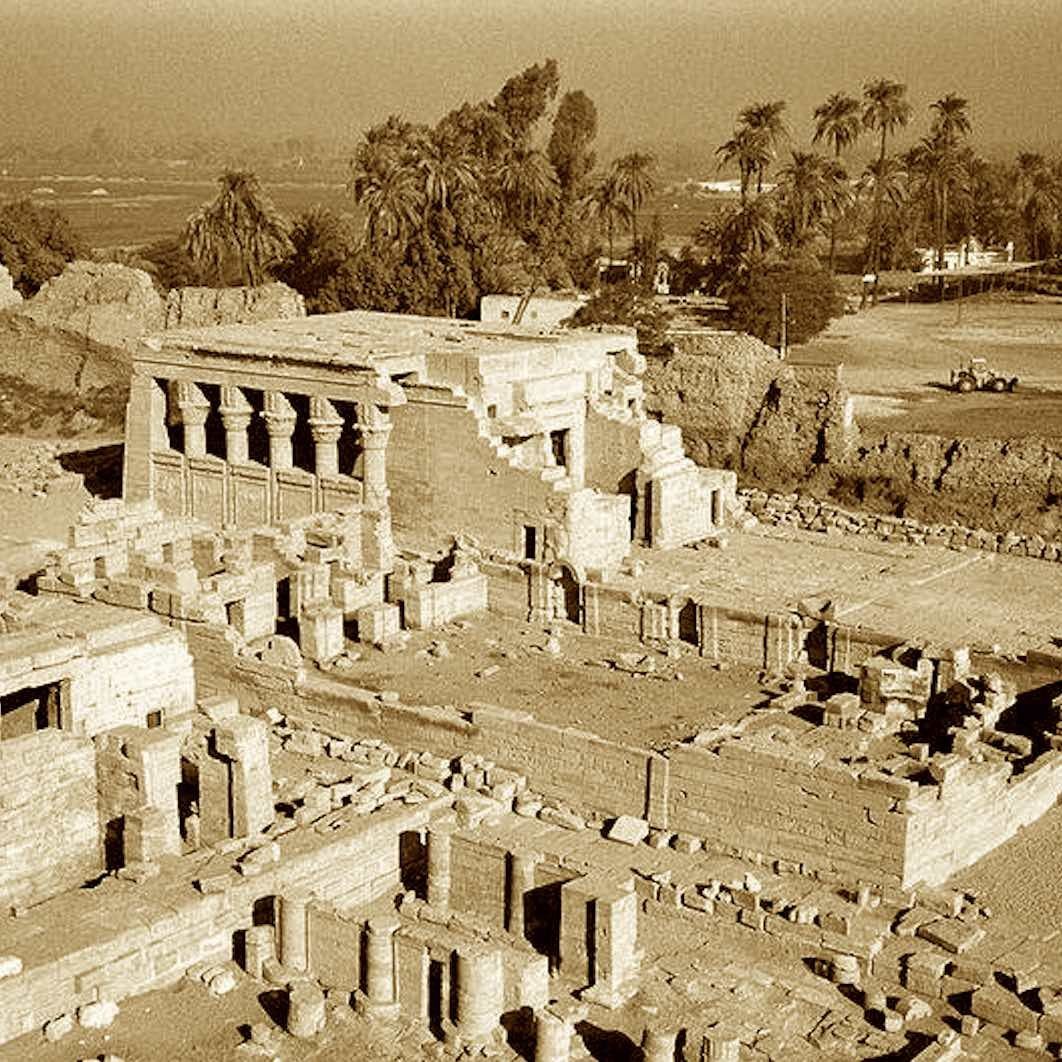
Dendera, temple site in Egypt, sepia photograph

Temple of Hathor

Dendera

The Temple of Hathor holds a special place in the history and archaeology of Egypt. It is dedicated to the goddess of love, music and joy. To this day it remains an enigmatic jewel in the sands of time.

II · Thebes, today’s Luxor

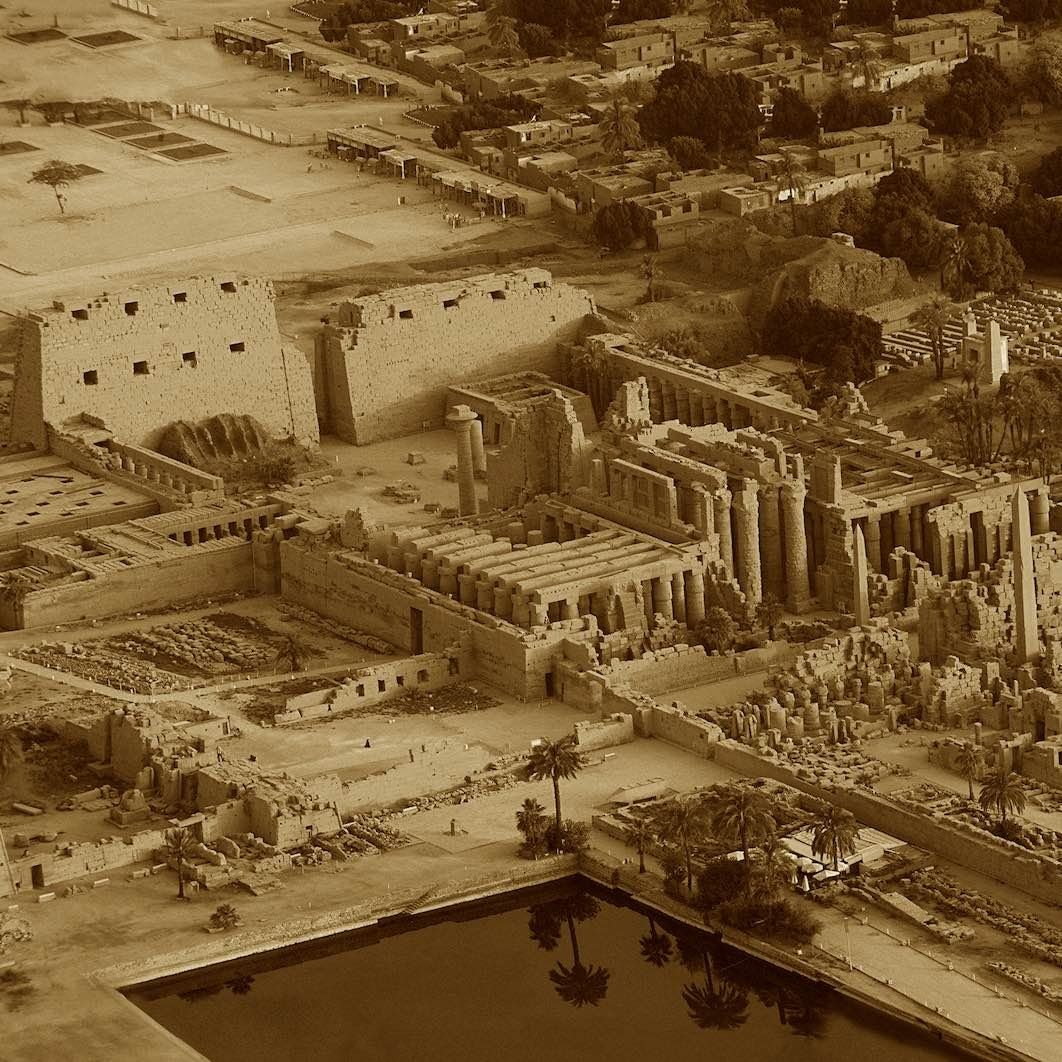
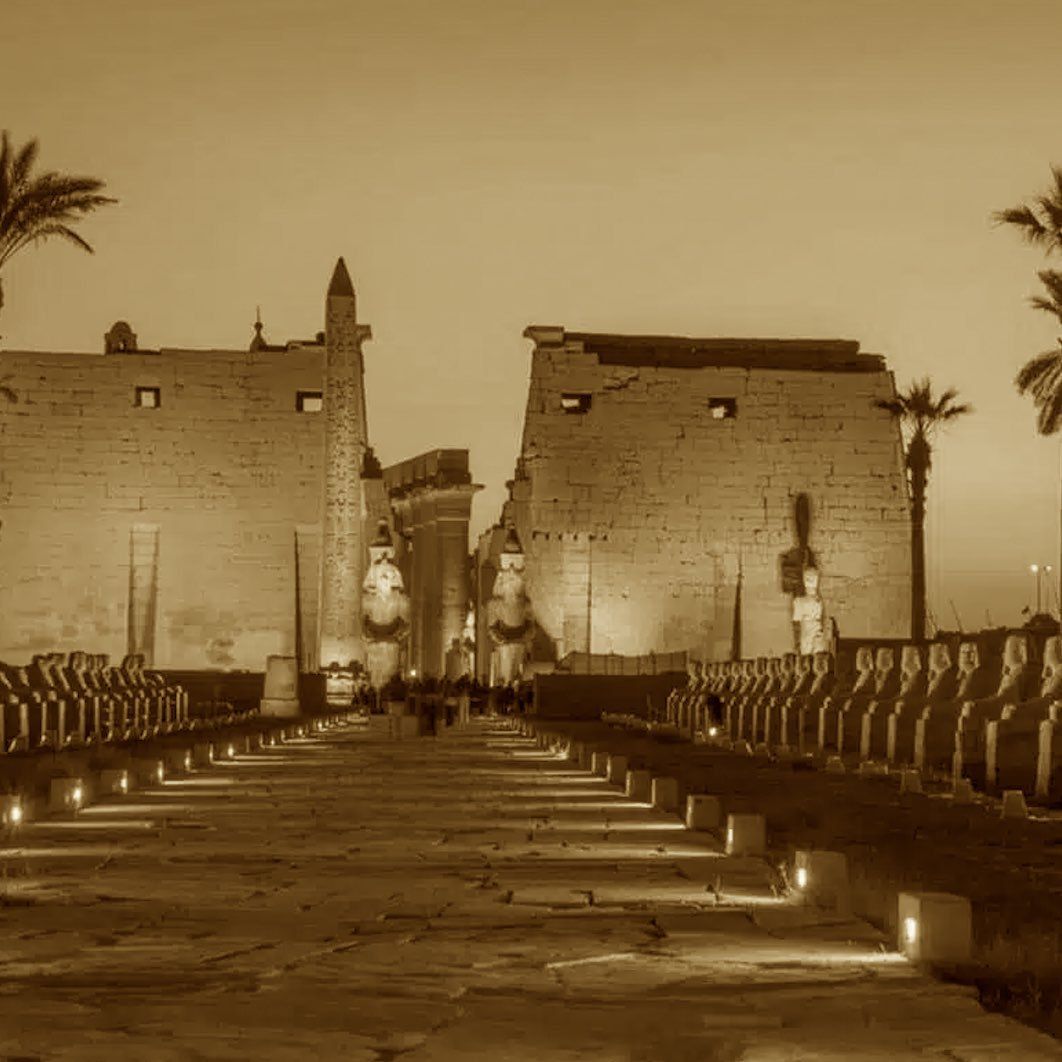
Karnak, temple site in Egypt, sepia photograph

East Bank

Karnak

The temple precinct of Karnak grew over more than a thousand years, above all between the 12th and the 20th Dynasty. At its height it was the largest and most important religious complex of ancient Egypt. It also includes the precinct of the goddess Mut, consort of Amun.

Luxor Temple, temple site in Egypt, sepia photograph

East Bank

Luxor Temple

For centuries, Amenhotep III, Tutankhamun, Ramesses II and other pharaohs added to this temple on the banks of the Nile. It was one of the most important religious centres of ancient Egypt.

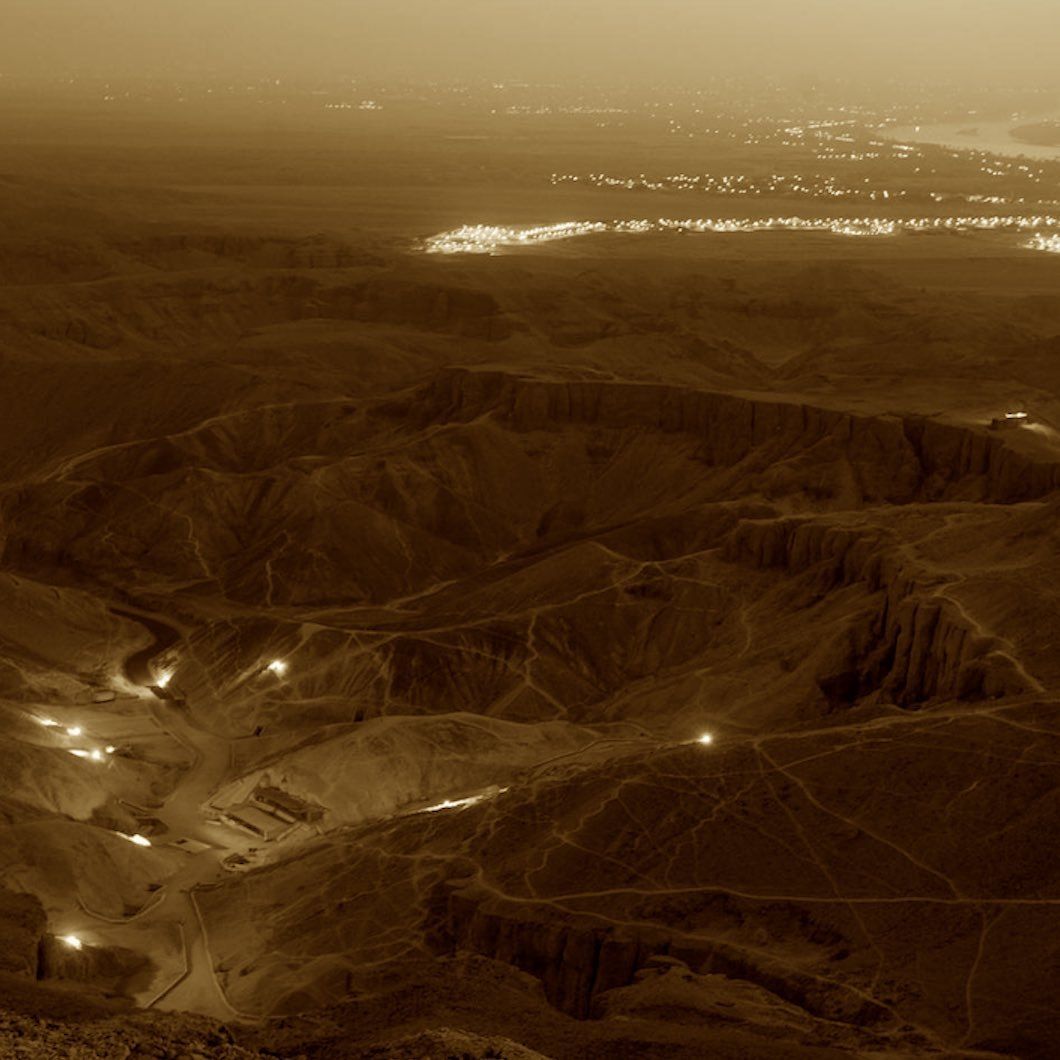
Valley of the Kings, rocky valley of the royal tombs near Luxor, sepia photograph

West Bank

Valley of the Kings

In a barren, dry valley opposite the ancient city of Thebes lie the rulers of the 18th, 19th and 20th Dynasties – the kings of the New Kingdom, Egypt’s golden age (c. 1550–1069 BC).

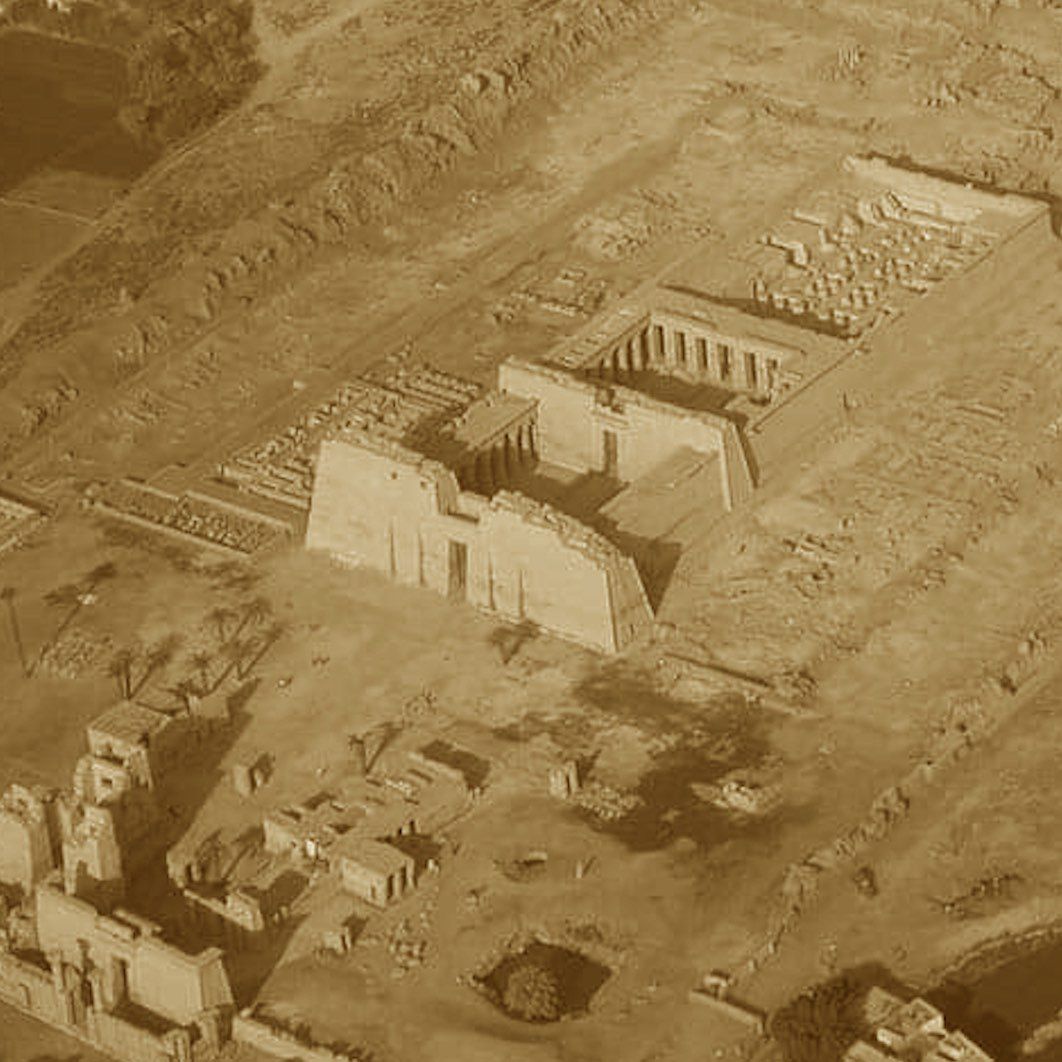
Medinet Habu, temple site in Egypt, sepia photograph

West Bank

Medinet Habu

The magnificent mortuary temple of Ramesses III lies beyond the quiet village of Kom Lolah, with the Theban hills behind it. It is one of the underrated treasures of the West Bank.

III · Between Luxor and Aswan

Esna, temple site in Egypt, sepia photograph

Temple of Khnum

Esna

The Temple of Khnum lies about 155 kilometres north of Aswan. Ptolemy VI had it rebuilt on top of an older structure; it was probably once about as large as the temple at Edfu.

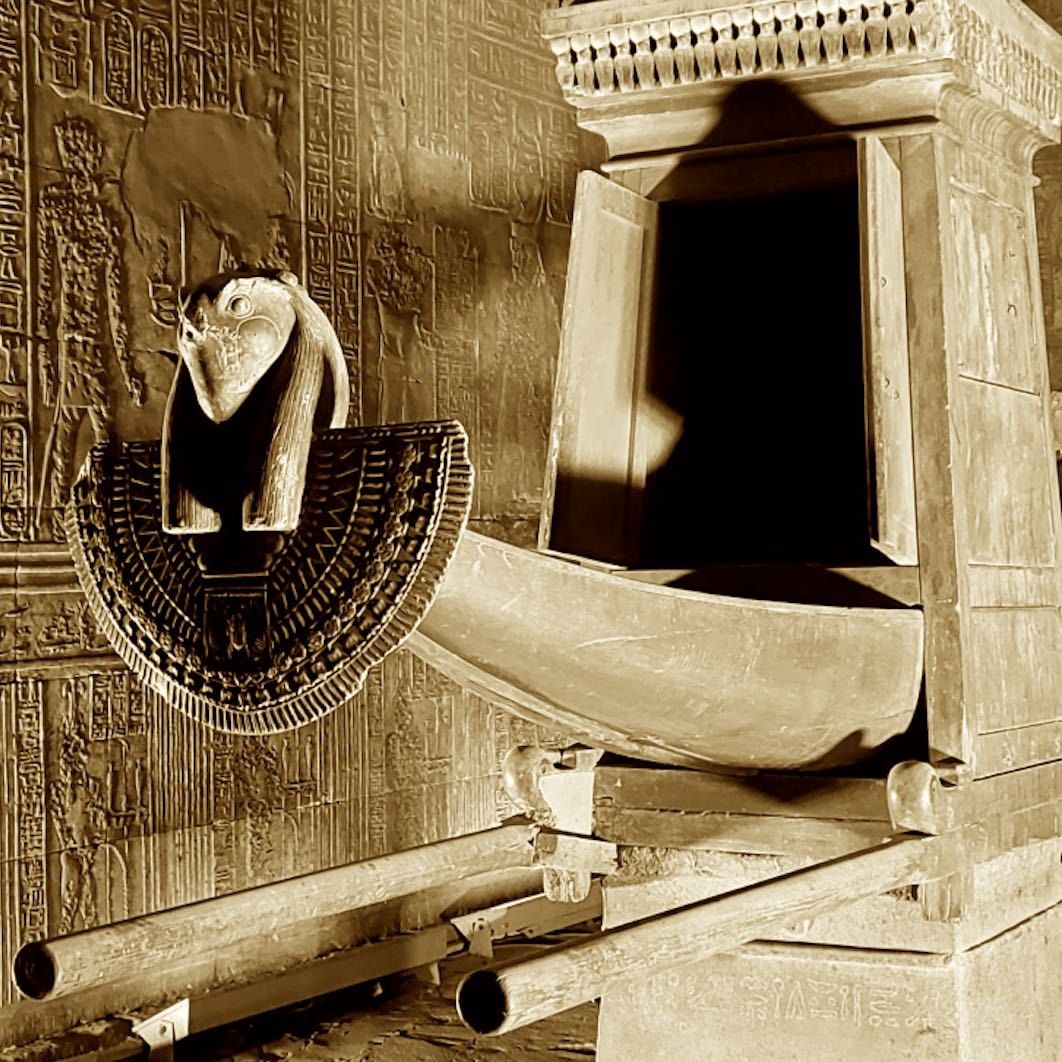
Edfu, temple site in Egypt, sepia photograph

Temple of Horus

Edfu

The temple is dedicated to Horus of Behdet, lord of Edfu. Complete and remarkably well preserved, it is regarded as the finest example of Ptolemaic temple architecture in Egypt.

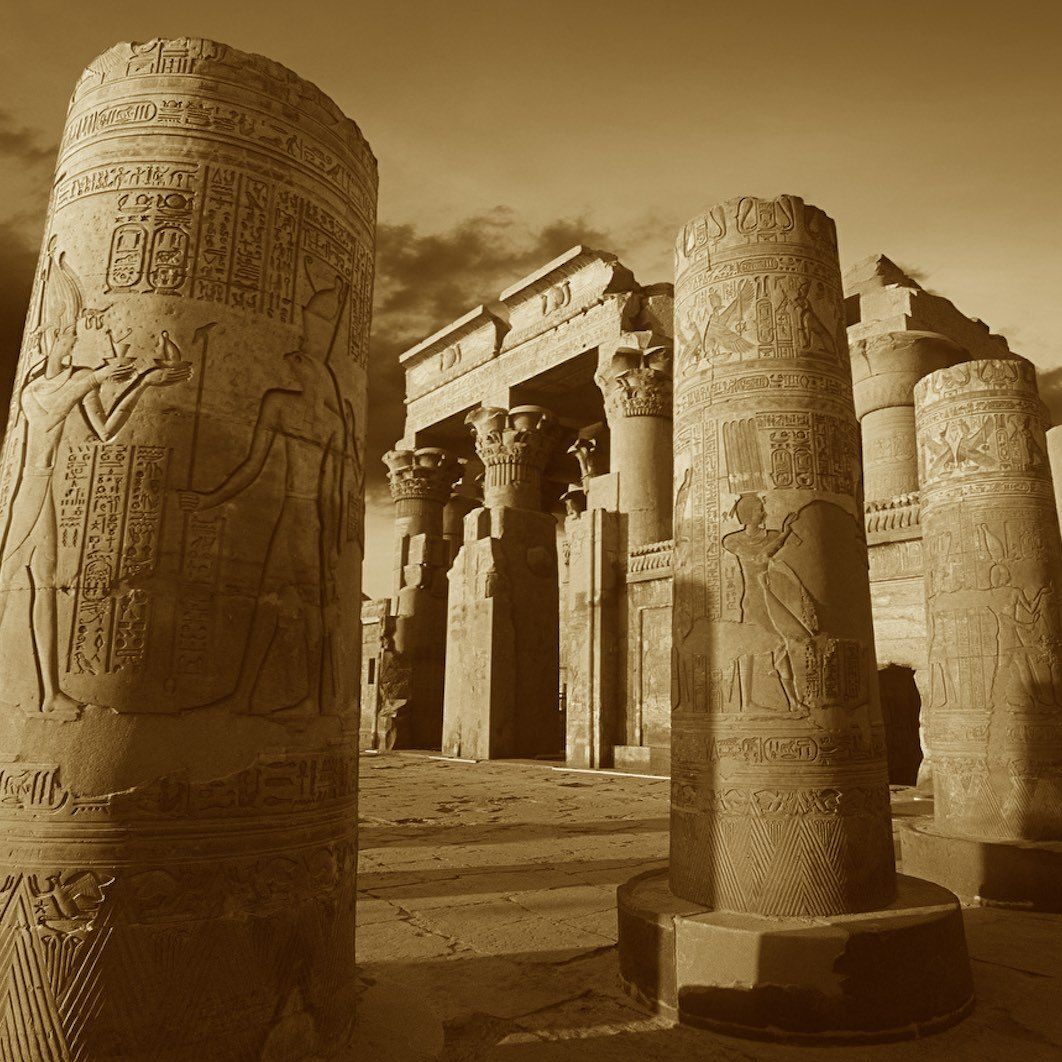
Kom Ombo, temple site in Egypt, sepia photograph

Double temple

Kom Ombo

A unique double temple: one half belongs to Sobek, the crocodile god, the other to falcon-headed Horus. Each side has its own gateways and chapels.

IV · Aswan and Nubia

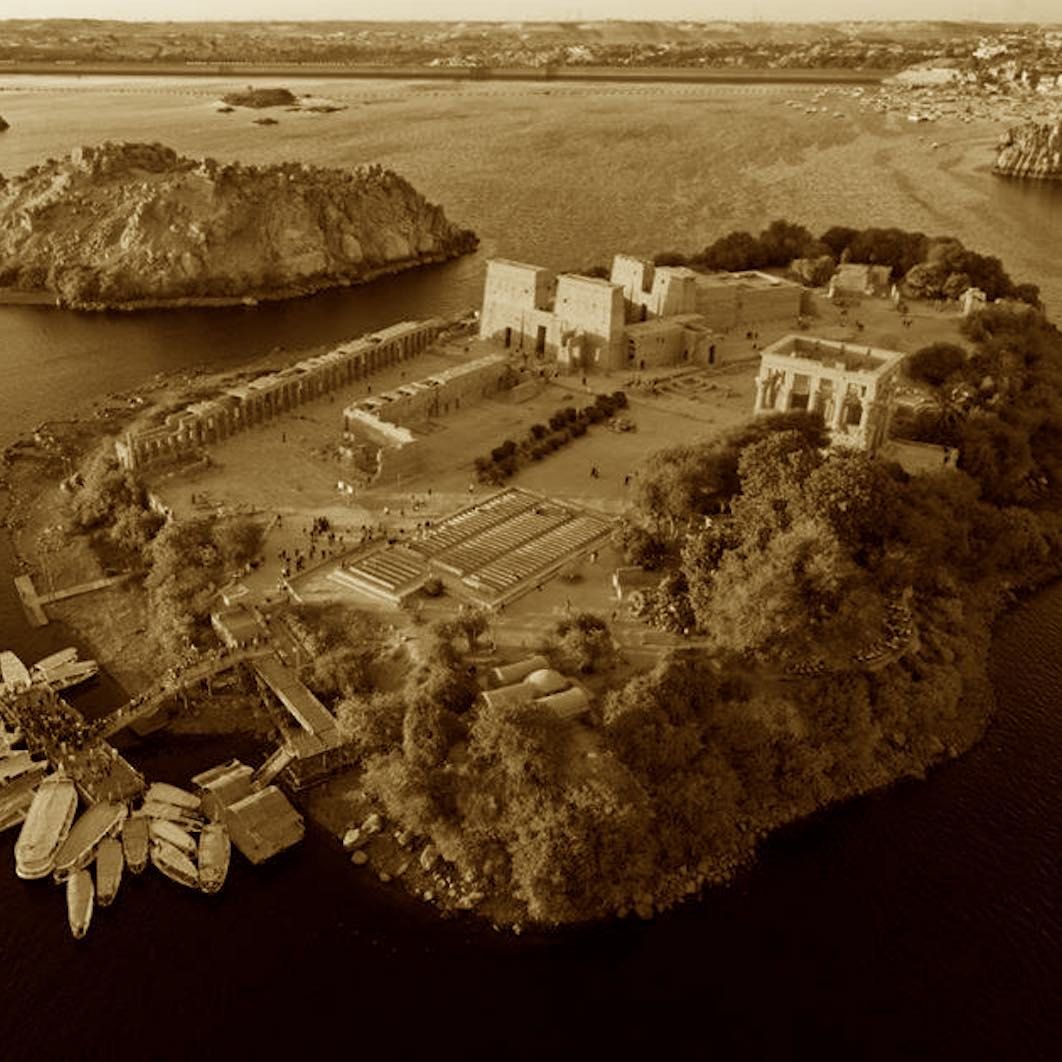
Philae, temple site in Egypt, sepia photograph

Temple of Isis

Philae

Around 280 BC, under Ptolemy II, work began on this sanctuary on an island in the Nile near Aswan. The temple is dedicated to Isis, together with Osiris and Horus.

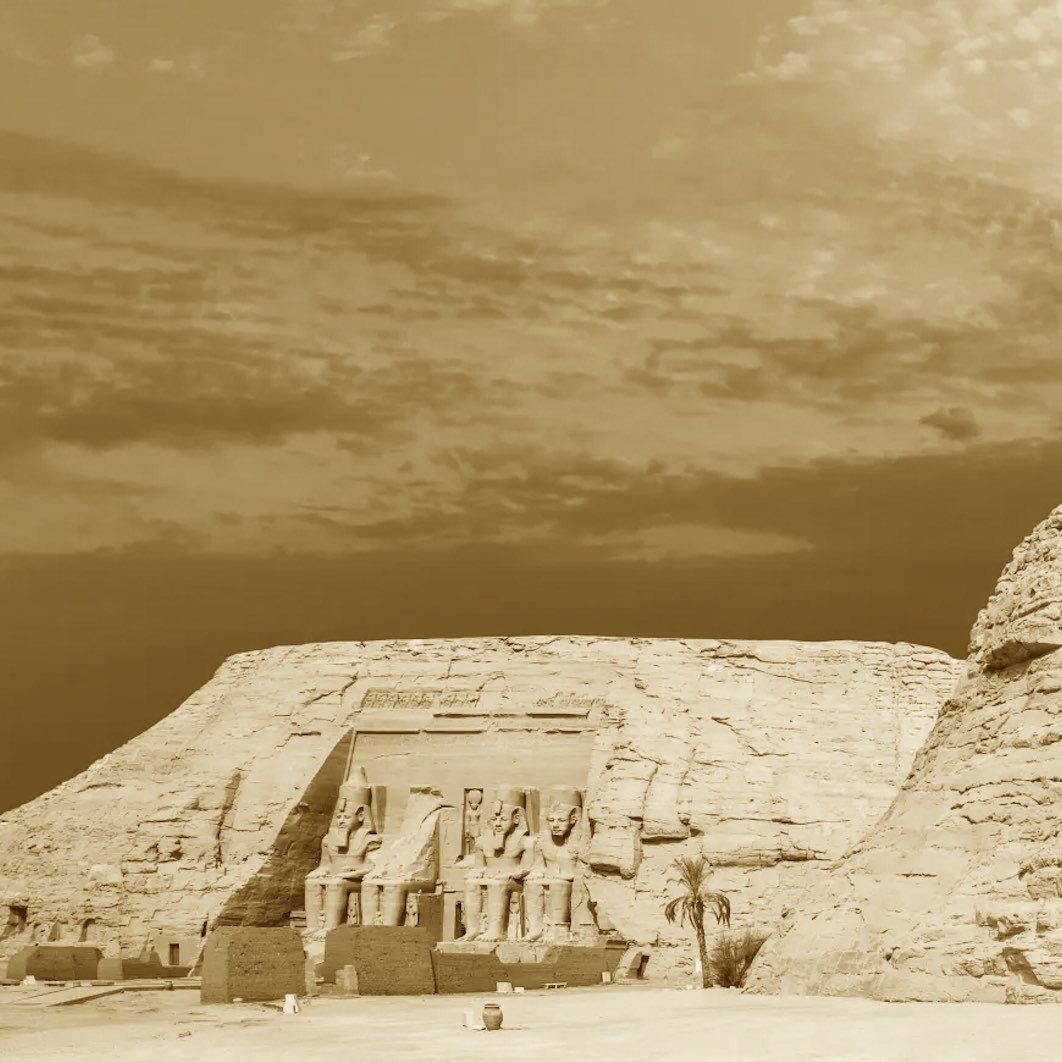
Abu Simbel, temple site in Egypt, sepia photograph

Rock temple of Ramesses II

Abu Simbel

Between 1274 and 1244 BC, the great temple was carved out of the mountain on the west bank of the Nile. It is dedicated to the deified Ramesses II as well as to Ra-Horakhty, Amun and Ptah.

“Egypt is the gift of the Nile.”
— Herodotus, Histories II, 5

Seminar journey with Paul Skorpen · 2026

Egypt & the Symbol of Life

Fourteen days in the golden light of the Nile – with teaching, healing work and the Symbol of Life as an inner map.

Dates
14–28 November 2026
Duration
Fourteen days
Price
€5,900 per person

Journey & booking

The itinerary may be subject to change.

Further information: impulseegypt.com

Stay in touch for the lastest gratis talks, mediations and Q & A sessions, along with upcoming trainings, seminars, travels and tours.